Understanding Professional Vehicle Inspection
A thorough inspection reveals what's really happening under your car's hood and underneath the frame.
What Inspection Actually Tells You
A professional vehicle inspection is far more than a quick look under the hood. When a qualified technician conducts a comprehensive inspection, they are performing a systematic check of critical systems that determine whether a vehicle is safe to operate and how much life remains in its major components. This matters whether you are considering the purchase of a used car, evaluating your own vehicle's condition, or establishing a maintenance baseline for records.
The inspection process translates a vehicle's physical condition into actionable information. You learn which components are sound, which are approaching the end of their service life, and which pose safety concerns that need immediate attention.
A thorough inspection performed by someone who knows what to look for often reveals problems that become much more expensive to repair if they go unaddressed.Understanding what inspectors are checking for and why helps you make informed decisions about vehicle purchase, maintenance timing, and repair priorities.
Common Issues Inspectors Catch
Why does suspension wear matter if the car still drives?
Suspension components like struts, bushings, and ball joints affect how the vehicle handles and brakes. Worn suspension makes a car harder to control on curves and reduces braking effectiveness. Worn components also accelerate tire wear, turning a suspension issue into a tire problem quickly. Addressing suspension early prevents safety issues and secondary damage.
What do brake inspections really check?
Inspectors measure brake pad thickness, examine rotors for damage or warping, and check for brake fluid condition and leaks. Brakes operate on a predictable wear pattern, so inspectors can forecast how many miles remain before service is needed. They also check brake hose condition and look for signs of fluid leakage that reduce braking reliability.
Why is transmission fluid condition important?
Transmission fluid cools and lubricates transmission components while transferring hydraulic pressure throughout the system. Over time, heat and friction break down the fluid's chemical structure, and it accumulates metal particles from normal wear. Dark or burnt-smelling fluid signals that the transmission has been working hard and may be near the end of its service life. Fresh fluid extends transmission lifespan, but once it is severely degraded, you may be in the window before failure.
What do rust and corrosion inspections reveal?
Surface rust is cosmetic, but structural rust on frame components and suspension parts compromises vehicle safety and longevity. Inspectors check for rust in areas that are hard to see: under the vehicle, on frame rails, and around attachment points. Rust in these locations can eventually cause components to fail and makes the vehicle more vulnerable to accident damage.
Watch: A Brake Job, Start to Finish
Brake pads are one of the first things a careful inspector looks at, and one of the easiest wear items to understand once you have seen the job done. This walkthrough shows the caliper coming off, the old pads next to new ones, and what a worn rotor surface looks like up close.
Inside the Inspection Process
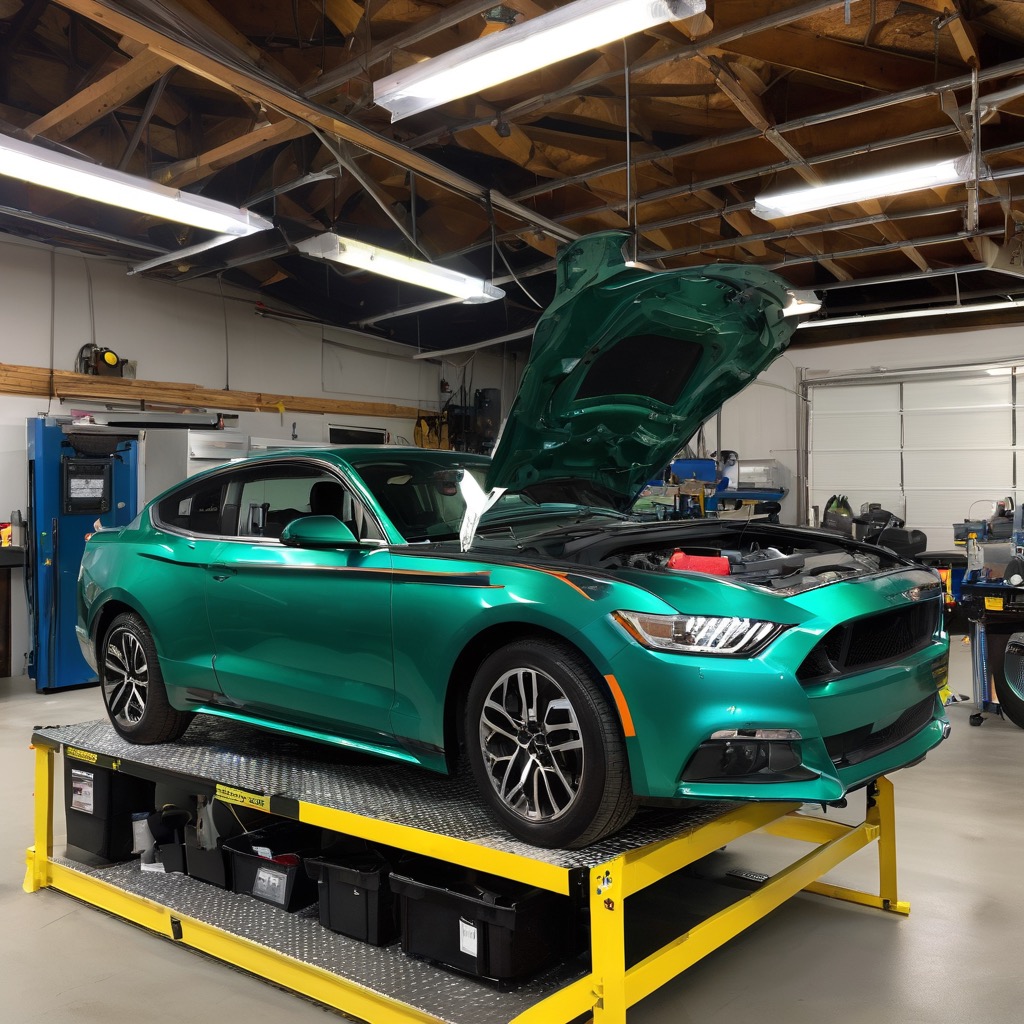
The inspection follows a systematic sequence. The technician starts with fluids: engine oil, coolant, brake fluid, transmission fluid, power steering fluid and washer fluid. Each tells a story about the vehicle's maintenance history and current mechanical condition. Next comes an external walk-around examining paint, body panels, trim, lights, and wipers. The technician then moves underneath, checking suspension components, brake lines, fuel lines, exhaust system, and the frame itself.
The engine compartment and undercarriage inspections are where most issues surface. Hoses and belts are examined for cracking, fluid leaks are traced to their source, and connections are checked for corrosion or looseness. The brake system receives particular attention because brake failure is a safety issue. The technician operates the vehicle to test steering response, brake function, transmission engagement, and how the vehicle handles acceleration and braking. Many problems only reveal themselves when the vehicle is running.